
Overview
Meditation is becoming a trusted natural approach for managing everyday anxiety and improving emotional wellbeing. While it is not a replacement for professional medical treatment when needed, regular meditation can help reduce stress, calm anxious thoughts, improve sleep, and strengthen emotional resilience. This blog explains how meditation in Australia, mindfulness meditation in Australia, meditation classes in Australia, and a meditation retreat in Australia can support mental wellness through consistent practice. It also highlights the importance of combining meditation with a healthy lifestyle and seeking professional care for severe anxiety. Energy Awakening provides guided meditation programs that help individuals develop lasting mindfulness habits and create a calmer, more balanced life.
Anxiety has become one of the most common health concerns in modern life. Busy schedules, financial pressure, family responsibilities, social media, and constant digital distractions leave many people feeling overwhelmed. While medication can be helpful for some individuals under medical guidance, many Australians are also searching for natural ways to manage anxiety.
One approach that continues to gain attention is meditation. But can it really reduce anxiety without medication?
The answer depends on the individual, the severity of anxiety, and the consistency of practice. Research suggests that meditation can help many people lower stress, improve emotional balance, and develop healthier responses to anxious thoughts. It should never replace professional medical advice for severe anxiety, but it can become an effective part of an overall wellness plan.
At Energy Awakening, people are guided through practical meditation techniques that fit into everyday life and support long-term emotional wellbeing.
Understanding Anxiety
Anxiety is more than occasional worry. It can affect how you think, feel, and respond to everyday situations. Common symptoms include:
- Constant overthinking
- Racing thoughts
- Restlessness
- Difficulty sleeping
- Increased heart rate
- Muscle tension
- Trouble concentrating
- Feeling overwhelmed without a clear reason
If these symptoms continue for weeks or interfere with daily life, professional medical or mental health support is important.
Meditation does not promise an instant cure. Instead, it helps train the mind to respond differently to stress.
How Does Meditation Help Calm the Mind?
Meditation encourages you to focus your attention on the present moment instead of worrying about the future or replaying the past.
During meditation:
- Breathing becomes slower.
- Heart rate gradually decreases.
- Stress hormones begin to reduce.
- The nervous system shifts into a calmer state.
- Thoughts become easier to observe without reacting immediately.
With regular practice, many people notice they become less reactive to stressful situations.
The Science Behind Meditation and Anxiety
Researchers have studied meditation for several decades. Many clinical studies suggest that regular mindfulness practice can reduce symptoms of anxiety and improve emotional regulation.
Meditation may help by:
- Lowering cortisol (the stress hormone)
- Improving emotional awareness
- Reducing repetitive negative thinking
- Supporting better sleep
- Improving focus and concentration
- Helping people manage daily stress more effectively
Results vary from person to person, but consistency is one of the biggest factors influencing success.
Why Is Mindfulness Meditation So Effective?
One of the most researched techniques is mindfulness meditation in Australia.
Mindfulness teaches you to notice thoughts without judging them.
Instead of trying to stop anxious thoughts completely, mindfulness helps you observe them, let them pass naturally, and return your attention to the present moment.
Many people report improvements in:
- Emotional balance
- Patience
- Self-awareness
- Confidence
- Sleep quality
- Daily productivity
Signs Meditation May Be Helping
Positive changes usually happen gradually.
You may notice:
- Fewer panic-like reactions
- Better sleep
- Improved concentration
- Less emotional exhaustion
- More confidence during stressful situations
- Better control over negative thinking
Even ten to twenty minutes of daily meditation can make a noticeable difference over time.
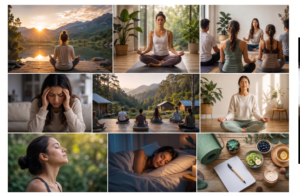
Daily Habits That Improve Meditation Results
Meditation works best when combined with healthy lifestyle choices.
Helpful habits include:
- Regular sleep schedule
- Physical activity
- Healthy eating
- Spending time outdoors
- Limiting excessive screen time
- Reducing caffeine if it increases anxiety
- Practising gratitude
Together, these habits create a stronger foundation for emotional wellbeing.
Why Join Meditation Classes?
Many beginners struggle to meditate consistently on their own.
Joining meditation classes in Australia provides:
- Guided meditation sessions
- Structured learning
- Experienced instructors
- Supportive community
- Better consistency
- Practical techniques for everyday stress
Learning from experienced teachers often helps people stay motivated and develop a long-term meditation practice.
Under the guidance of Sara Sherwal, Energy Awakening provides structured meditation classes in Australia designed for beginners and regular practitioners. Her teaching approach focuses on making meditation simple, practical, and accessible so people can create a consistent mindfulness routine in their daily lives.
Benefits of a Meditation Retreat
Sometimes daily life becomes so busy that it feels impossible to relax.
A meditation retreat in Australia allows participants to step away from everyday distractions and focus completely on their mental wellbeing.
Retreats often include:
- Guided meditation
- Breathing exercises
- Mindfulness practices
- Relaxation techniques
- Nature-based activities
- Personal reflection
Many participants leave feeling mentally refreshed and emotionally lighter.
When Medication May Still Be Necessary
Meditation is a valuable wellness practice, but it is not a replacement for medical treatment in every situation.
Professional healthcare support is important if anxiety:
- Causes panic attacks
- Prevents normal daily activities
- Leads to severe depression
- Includes thoughts of self-harm
- Continues despite self-care efforts
Many healthcare professionals recommend meditation alongside therapy or prescribed treatment rather than instead of it.
How Energy Awakening Supports Your Wellness Journey
At Energy Awakening, meditation is taught in a practical and supportive environment designed for beginners as well as experienced practitioners.
Whether you’re exploring meditation in Australia for the first time, joining meditation classes, learning mindfulness meditation, or attending a meditation retreat, the goal is to help you develop lasting habits that support inner peace and emotional resilience.
Rather than offering quick fixes, Energy Awakening encourages consistent practice, self-awareness, and personal growth through guided meditation techniques.
Meditation cannot guarantee that anxiety will disappear completely, nor should it replace professional medical care when it is needed. However, scientific research and personal experience continue to show that regular meditation can become an effective natural tool for managing everyday anxiety.
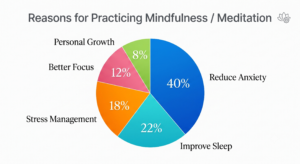
The key is consistency. A few quiet minutes each day can gradually strengthen your ability to stay calm, think clearly, and respond more peacefully to life’s challenges.
If you’re ready to begin your wellness journey, guided meditation can provide the support and structure needed to make meditation a lasting part of your life.
Frequently Asked Questions (FAQs)
1. Can meditation completely replace anxiety medication?
No. Meditation can help reduce anxiety symptoms for many people, but it should not replace medication prescribed by a healthcare professional without medical advice.
2. How long should I meditate each day?
Beginners can start with 10–15 minutes daily. As you become comfortable, you may increase your practice to 20–30 minutes.
3. Is mindfulness meditation suitable for beginners?
Yes. Mindfulness meditation in Australia is one of the easiest techniques for beginners because it focuses on breathing and present-moment awareness.
4. Are meditation classes worth joining?
Yes. Meditation classes in Australia provide guidance, motivation, and practical techniques that help beginners build a consistent practice.
5. What happens during a meditation retreat?
A meditation retreat in Australia usually includes guided meditation, breathing exercises, mindfulness sessions, relaxation practices, and quiet time for self-reflection.
6. How soon can I notice results?
Some people feel calmer after a few sessions, while others notice meaningful improvements after several weeks of consistent practice.
7. Can meditation improve sleep?
Yes. Regular meditation helps calm the mind, reduce stress, and improve relaxation, which may contribute to better sleep quality.
8. Why choose Energy Awakening?
Energy Awakening offers guided meditation programs designed to help individuals build healthy mindfulness habits, reduce everyday stress, and support long-term emotional wellbeing through structured meditation practices.
Author: Sara Sherwal
Numerology | vastu | meditation
Meet Our Founder
Sara Sherwal is the founder of Energy Awakening and a passionate mentor dedicated to helping people create positive life transformations. Through her expertise in Numerology, Vastu, Meditation, and holistic wellness, she has guided countless individuals toward greater clarity, confidence, balance, and lasting personal growth.
