
Overview
Anger is a natural human emotion. Everyone experiences it at some point, whether because of stress, frustration, disappointment, conflict, or feeling misunderstood. The problem begins when anger becomes difficult to control and leads to shouting, impulsive decisions, strained relationships, or emotional exhaustion.
An anger management workshop in Australia can help participants understand what happens before an emotional reaction and learn practical ways to respond more calmly. Instead of simply telling people not to get angry, a well-structured workshop focuses on recognising triggers, understanding physical warning signs, improving communication, and developing healthier responses.
Through Energy Awakening, participants can explore practical approaches to emotional awareness and self-management. Sara Sherwal brings experience in conducting workshops focused on personal growth, emotional awareness, meditation, and positive behaviour management.
What Is Anger and Why Do Emotional Reactions Happen?
Anger is not automatically a negative emotion. It can signal that something feels unfair, frustrating, threatening, or personally important. The way a person responds to that feeling is what can create difficulties.
For example, a person may receive criticism at work and immediately feel angry. One person might take a few moments to think before responding, while another might raise their voice or send an emotional message. The situation may be similar, but the response can be very different.
Anger can also create physical changes. Healthdirect Australia explains that anger can activate the body’s fight-or-flight response, which may increase heart rate and breathing and create physical tension. Recognising these early signs can give a person an opportunity to pause before reacting.
Common warning signs may include:
- Faster breathing
- Muscle tension
- Feeling hot or restless
- Increased heart rate
- Irritation or impatience
- Difficulty thinking clearly
- A strong urge to argue or respond immediately
An anger management workshop helps participants notice these signals instead of waiting until the emotion becomes overwhelming.
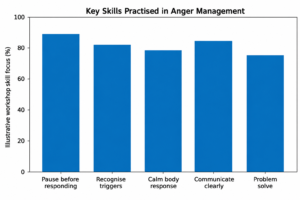
How an Anger Management Workshop Helps You Recognise Your Triggers
One of the first steps in managing anger is understanding what tends to trigger it.
Triggers can be different for every person. A difficult conversation, repeated interruptions, traffic, criticism, family disagreements, workplace pressure, or feeling ignored may create frustration. Sometimes the immediate situation is only part of the reason for the reaction. Stress, tiredness, or feeling overwhelmed can also make anger harder to manage.
During an anger management session in Australia, participants can learn to look at the situation before the reaction:
What happened? → What did I think? → What did I feel? → How did my body react? → What did I do?
This simple pattern can help a person identify repeated reactions.
For example, someone may notice that they become particularly irritated when they feel that others are not listening to them. Once the pattern is recognised, they can work on a different response rather than repeating the same behaviour.
Healthdirect also recommends identifying situations that commonly cause anger and noticing physical warning signs before the reaction becomes difficult to control.
Learning to Pause Before Reacting
One of the most useful skills taught in anger management is creating a small gap between emotion and action.
When people feel angry, they may want to respond immediately. However, taking a short pause can provide time to understand what is happening and decide what to do next.
A workshop may introduce simple techniques such as:
- Taking slow, controlled breaths
- Counting slowly before responding
- Taking a short break from a heated conversation
- Relaxing tense muscles
- Moving away from an argument temporarily
- Using calm self-talk
- Returning to the conversation after emotions settle
These techniques are not about ignoring anger. They are about giving yourself enough time to choose your response.
Healthdirect recommends strategies such as controlled breathing, taking time out, positive self-talk, distraction, and gentle physical activity as approaches that may help people manage anger.
With regular practice, a pause can become a practical habit rather than something that only happens after an argument has already escalated.
Improving Communication During Difficult Situations
Anger often becomes more difficult when communication breaks down. People may interrupt each other, blame others, raise their voices, or say things they later regret.
An anger management workshop can help participants practise clearer ways of expressing difficult emotions.
Instead of:
“You never listen to me.”
A calmer approach could be:
“I feel frustrated when I don’t feel heard. Can we talk about this?”
The second statement focuses on the person’s experience rather than attacking the other person.
This type of communication can be useful at home, in relationships, and at work. It does not mean agreeing with everyone. It means expressing disagreement without allowing anger to control the conversation.
Healthdirect notes that calmly explaining how a situation makes you feel and using “I” language can help when discussing anger-related concerns.
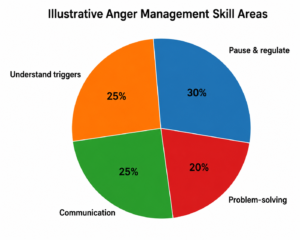
Developing Better Responses to Stress and Frustration
Anger is sometimes connected with situations that cannot be changed immediately. Deadlines, disagreements, unexpected changes, traffic, work pressure, or personal responsibilities can all create frustration.
A useful workshop does not promise that stressful situations will disappear. Instead, it can help people examine how they respond to them.
Participants may practise:
- Identifying what they can and cannot control
- Breaking a stressful problem into smaller steps
- Taking a short mental or physical break
- Asking for clarification instead of assuming someone’s intention
- Using relaxation techniques
- Thinking about possible consequences before reacting
Problem-solving is also included among the skills that anger management training can teach.
At Energy Awakening, emotional awareness can be explored alongside practices that encourage mindfulness and personal reflection. This can help participants become more aware of their reactions and make more thoughtful choices in everyday situations.
Building Emotional Awareness Through Practice
Understanding anger is useful, but applying the learning in everyday life is what makes the difference.
An anger management workshop in Australia can provide a structured environment where participants can reflect on their behaviour and practise new techniques. Group activities, guided discussions, breathing exercises, role-play situations, and personal reflection can make the learning easier to apply.
For example, participants might discuss how they would respond to:
- A disagreement with a colleague
- A difficult conversation with a family member
- Receiving unexpected criticism
- A stressful situation in public
- Someone misunderstanding what they said
Practising these situations can make it easier to recognise emotional reactions in real life.
Sara Sherwal, associated with Energy Awakening, conducts workshops around areas such as meditation, positive behaviour management, Vastu, and personal development. Her approach can help connect emotional awareness with practical self-reflection.
What You Can Take Away from an Anger Management Session in Australia
The value of an anger management session is not simply learning how to “stay calm.” It is about understanding your emotional pattern and developing practical choices.
After participating in an anger management session in Australia, a person may become more aware of:
- Personal anger triggers
- Early physical signs of frustration
- Thoughts that increase emotional reactions
- Communication habits
- Situations where taking a break is helpful
- Techniques that encourage calmer responses
- Ways to approach disagreements more constructively
The goal is not to eliminate anger. Anger is a normal emotion. The aim is to respond to it in a way that is healthier and less harmful to yourself or others.
If anger is causing serious problems in relationships, work, or daily life, professional psychological support may also be appropriate. Healthdirect recommends speaking with a doctor or mental health professional when anger feels difficult to control or has resulted in harmful behaviour.
Simple Anger Management Techniques You Can Practise Daily
You do not always need a complicated routine to start working on emotional reactions. Small habits can help you become more aware of what is happening before you respond.
1. Notice the First Warning Sign
Pay attention to physical changes such as clenched muscles, faster breathing, or feeling hot.
2. Take a Pause
If the situation allows, step away briefly before continuing the conversation.
3. Slow Your Breathing
Take several slow breaths and focus on making your breathing steady.
4. Name the Emotion
Instead of simply thinking “I am angry,” ask whether you are actually frustrated, disappointed, embarrassed, worried, or overwhelmed.
5. Think Before Speaking
Ask yourself whether your words will solve the problem or make the situation more difficult.
6. Return to the Conversation Calmly
Taking a break does not mean avoiding the issue. Come back when you are ready to discuss it more constructively.
These approaches are consistent with self-management strategies recommended by Healthdirect, including recognising triggers, noticing physical signs, controlled breathing, time out, positive self-talk, and gentle exercise.
Why Consistent Practice Matters
Emotional reactions are often connected to habits developed over time. Because of this, one workshop session may provide useful awareness, but applying the techniques regularly is important.
Keeping a simple journal can help. After a difficult situation, write down:
- What happened?
- What triggered me?
- What did I feel physically?
- What did I think?
- How did I respond?
- What could I try differently next time?
This type of reflection can help identify patterns.
A workshop can provide guidance and practical exercises, while everyday practice helps turn those exercises into usable skills.
When Should You Consider Professional Support?
Everyone becomes angry sometimes. However, repeated uncontrolled anger can affect relationships, work, and wellbeing.
Consider seeking professional support if:
- You regularly lose control during arguments.
- Anger is affecting your relationships.
- You frequently regret things you say or do while angry.
- You damage property during angry episodes.
- Other people have expressed concern about your behaviour.
- You feel unable to control your reactions.
Healthdirect recommends seeking help from a doctor or mental health professional when anger is difficult to manage or is causing problems in everyday life.
An anger management workshop can be educational and supportive, but it should not be considered a replacement for professional mental health care when someone needs assessment or treatment.
Final Thoughts
Anger does not make someone a bad person. It is a normal emotional response, but the way anger is expressed can have a major effect on relationships, work, and everyday life.
An anger management workshop in Australia can provide practical tools for recognising triggers, slowing down reactions, improving communication, and responding more thoughtfully. With regular practice, these skills can become part of everyday emotional awareness.
Through Energy Awakening, participants can explore personal development and mindfulness-based practices that encourage greater awareness of thoughts, emotions, and behaviour. For people experiencing persistent or harmful anger, professional mental health support should also be considered.
Frequently Asked Questions
What is an anger management workshop?
An anger management workshop is a structured learning session that helps participants understand anger, identify triggers, recognise early warning signs, and practise healthier ways to respond to difficult emotions.
Who can attend an anger management workshop in Australia?
Workshops may be useful for adults who want to understand their emotional reactions, improve communication, or develop practical strategies for handling frustration. The suitability of a particular workshop depends on its format and the participant’s individual needs.
What happens during an anger management session in Australia?
The format can vary. A session may include discussions about emotional triggers, self-reflection exercises, breathing or relaxation techniques, communication activities, and practical examples of handling difficult situations.
Can an anger management workshop stop me from feeling angry?
No. Anger is a normal human emotion. The purpose is not to eliminate anger but to help people understand it and respond to it in healthier ways.
How can anger affect relationships?
Repeated shouting, blaming, threatening behaviour, or withdrawing during conflicts can create tension and reduce trust. Learning to pause and communicate calmly may help people handle disagreements more constructively.
Is an anger management workshop the same as therapy?
Not necessarily. Workshops and educational sessions can teach useful skills, while therapy provides individualised assessment and treatment from a qualified mental health professional. People experiencing serious or persistent anger problems should consider professional support.
How can Energy Awakening help with emotional awareness?
Energy Awakening offers workshops and practices focused on areas such as meditation, positive behaviour management, and personal development. These activities can encourage self-reflection and awareness of emotional patterns.
Author: Sara Sherwal
Numerology | vastu | meditation
Meet Our Founder
Sara Sherwal is the founder of Energy Awakening and a passionate mentor dedicated to helping people create positive life transformations. Through her expertise in Numerology, Vastu, Meditation, and holistic wellness, she has guided countless individuals toward greater clarity, confidence, balance, and lasting personal growth.
