Positive Behaviour Management Services in Australia
Positive Behaviour Management in Australia helps individuals understand emotions, improve reactions, and develop healthy behaviour in everyday life. It focuses on responding calmly to challenges instead of reacting with anger or frustration. At Energy Awakening, we use practical strategies to build self-control, emotional awareness, and positive habits that support personal growth and stronger relationships.
Our Positive Behaviour Management Services
Behaviour Support Strategies Training:
We teach effective behaviour support strategies to help individuals manage emotions.
Classroom Behaviour Guidance:
We support teachers and students with positive behaviour management in the classroom to create a calm.
School Behaviour Improvement Programs:
Our programs support positive behaviour management in schools by helping students develop discipline, respect, and better communication.
Emotional Control & Awareness Sessions:
We provide mindfulness-based training to improve emotional awareness.


Benefits of Positive Behaviour Management
Positive behaviour training helps individuals improve their mindset and daily life behaviour.
- Better emotional control and self-awareness
- Reduced anger, stress, and impulsive reactions
- Improved communication skills
- Stronger relationships at home and school
- Increased confidence and discipline
- More positive thinking and decision-making
These benefits help both students and adults build a balanced and peaceful lifestyle.
Why Choose Energy Awakening for Positive Behaviour Management
Simple and Practical Learning Approach:We use easy-to-understand methods so anyone can learn and apply behaviour strategies in real life.
Focus on Real-Life Improvement:Our goal is not theory—we focus on real change in behaviour, emotions, and daily responses.
Expert Behaviour Support Guidance:We provide structured guidance based on emotional awareness, mindfulness, and behaviour development techniques.
Supportive and friendly Environment: We guide individuals without judgment and help them grow step by step.

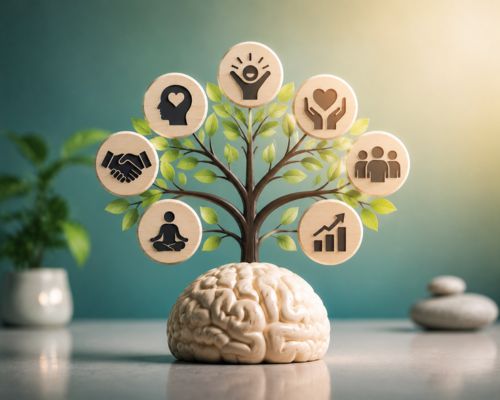
Start Building Positive Behaviour Today with Energy Awakening
If you want to improve emotional control, develop better behaviour, and create a more positive lifestyle, Energy Awakening is here to support you.
We provide simple and effective positive behaviour management strategies that help you grow in school, work, and daily life.
Take the first step toward a calmer and more positive future today.
Read More
Building Calm Minds Through Positive Behaviour Support in Everyday Life
Positive behaviour development is a structured way of helping people understand their emotions and respond in a more balanced and thoughtful manner. Instead of reacting with anger, confusion, or frustration, individuals learn how to pause, think, and choose better actions. This approach is widely used in learning environments, homes, and workplaces because it supports long-term emotional growth and stability.
Modern behaviour development focuses on guidance rather than correction. The aim is to help individuals understand why they behave in a certain way and how they can improve those responses over time. This is where positive behaviour management strategies play an important role in everyday life.
Understanding How Positive Behaviour Support Works
Positive behaviour support is built on a simple idea: behaviour can be learned, and it can also be improved with the right support. Instead of focusing only on problems, this approach looks at the cause behind behaviour and helps individuals build better responses.
Many educators and trainers use behaviour support strategies to help people identify emotional triggers such as stress, misunderstanding, or pressure. Once these triggers are understood, it becomes easier to respond calmly in similar situations.
This approach is also closely linked with pbs behaviour management, which focuses on structured learning, emotional awareness, and supportive guidance instead of punishment or strict control.
Key Principles Behind Behaviour Improvement
Positive behaviour development is based on practical and simple principles that can be applied in daily life:
- Understanding emotions before reacting
- Learning how thoughts influence behaviour
- Building patience in difficult situations
- Improving communication in simple and clear ways
- Developing respect for self and others
- Practicing calm decision-making
These principles are used in positive behaviour strategies that help individuals of all ages improve how they respond in real situations. Over time, this creates stronger emotional balance and better social interaction.
Positive Behaviour in Learning Environments
Schools are one of the most important places where behaviour development is needed. Students often face pressure from studies, peer interaction, and expectations. Without proper guidance, this can lead to stress or disruptive behaviour.
That is why positive behaviour management in schools has become a widely used approach. It helps students understand boundaries while also encouraging them to express themselves in a healthy way.
Teachers often apply structured routines and supportive communication to build discipline and focus. These methods are part of positive behaviour management strategies for the classroom, which aim to create a calm and productive learning space for everyone.
When students feel understood instead of judged, they naturally become more cooperative and confident in their behaviour.
Positive Behaviour in the Classroom Setting
The classroom is a space where learning and behaviour go hand in hand. A supportive environment helps students stay focused, listen better, and participate actively.
Positive behavior management in the classroom focuses on clear expectations and consistent guidance. Instead of reacting to mistakes with punishment, teachers guide students toward better choices.
Some commonly used approaches include:
- Clear and simple instructions
- Encouraging good behaviour instead of only pointing out mistakes
- Helping students understand the impact of their actions
- Teaching calm communication during conflict situations
- Creating predictable classroom routines
These practices improve positive behaviour management in the classroom by reducing confusion and increasing emotional safety for students.
Behaviour Support in Everyday Life
Behaviour development is not limited to schools. It is equally important at home and in workplaces. People of all ages experience stress, misunderstandings, and emotional pressure in daily life.
Through behaviour support strategies, individuals learn how to handle these situations more calmly. For example, instead of reacting immediately during a disagreement, a person can learn to pause and think before responding.
This simple shift can improve relationships, reduce conflicts, and create a more peaceful environment at home and work.
Role of Emotional Awareness in Behaviour Change
Emotional awareness is a key part of behaviour improvement. Many reactions happen because emotions are not fully understood at the moment.
When individuals learn to recognize feelings such as frustration, anxiety, or anger, they gain better control over their responses. This is often taught through mindfulness-based exercises, reflection activities, and guided practice sessions.
Over time, this awareness strengthens positive behaviour management strategies and helps individuals stay calm even in challenging situations.
Practical Techniques Used in Behaviour Support
Behaviour development programs often include simple and practical techniques that anyone can use. These methods are easy to understand and apply in real life:
- Deep breathing during stressful moments
- Counting before reacting to a situation
- Using calm and respectful words in conversations
- Breaking problems into smaller, manageable parts
- Practicing daily reflection on behaviour and reactions
- Setting small goals for emotional improvement
These techniques are part of positive behaviour strategies that help individuals build long-term emotional strength.
Importance of Consistency in Behaviour Development
One of the most important aspects of behaviour improvement is consistency. Change does not happen in one day; it develops slowly through regular practice.
When positive behaviour management strategies are used consistently, individuals begin to notice changes in how they think and respond. Small improvements eventually lead to strong emotional control and better decision-making skills.
Consistency also helps build trust in learning environments, especially in classrooms where structure and routine are important.
Impact on Personal and Social Growth
Behaviour support has a direct impact on both personal and social life. Individuals who practice positive behaviour skills often experience:
- Better relationships with family and friends
- Improved teamwork and communication skills
- Reduced stress in daily situations
- Stronger self-confidence
- A more positive mindset toward challenges
These improvements show how behaviour development goes beyond discipline—it supports overall life growth and emotional well-being.
Conclusion
Positive behaviour development is a simple yet powerful approach that helps individuals understand themselves better and respond to life situations in a calm and balanced way. Whether in schools, homes, or workplaces, the use of structured behaviour support strategies can create meaningful and long-term improvement.
With the right guidance and regular practice, positive behaviour management strategies can help individuals build emotional strength, improve communication, and develop a more peaceful lifestyle.